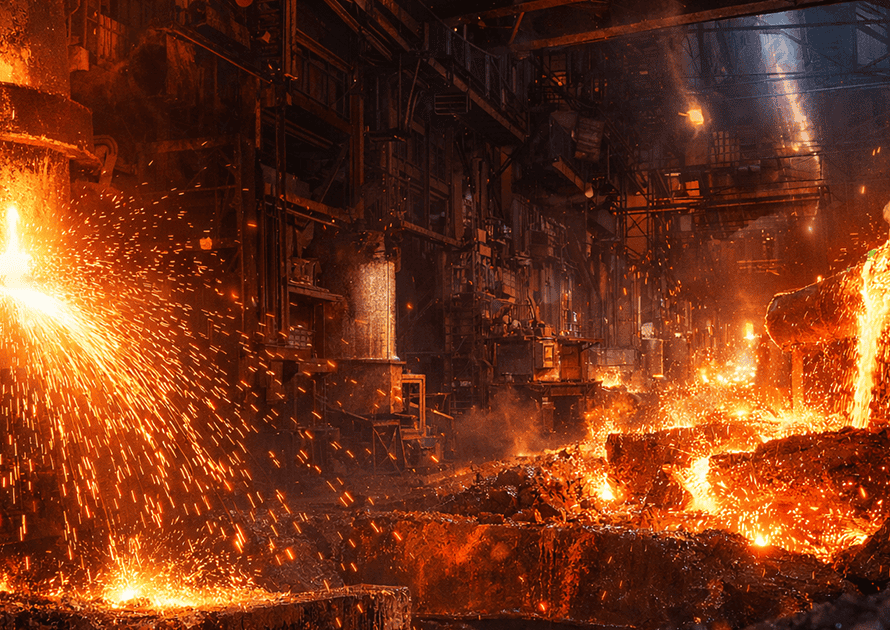
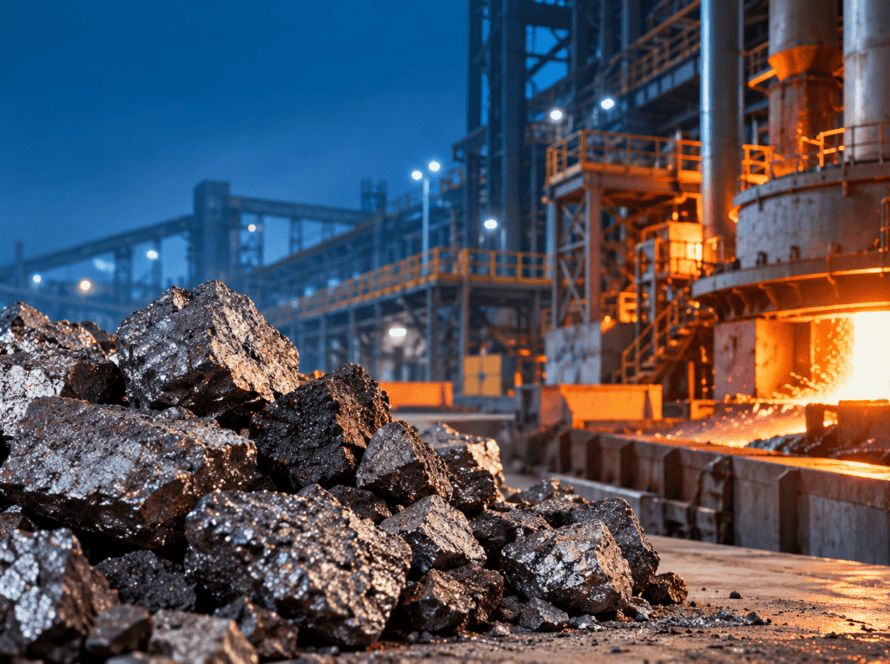
Steel is one of the most widely used engineering materials in the world, forming the backbone of industries such as construction, automotive, infrastructure, energy, railways, and manufacturing. However, the performance of steel depends not only on iron and carbon but also on the addition of specialized alloying elements. This is where ferro alloys play a critical role.
Ferro alloys enhance the mechanical properties of steel by improving its strength, durability, hardness, corrosion resistance, and overall performance. Whether it’s a skyscraper, a railway track, a power plant, or an automobile, ferro alloys help produce steel capable of meeting demanding industrial applications.
What Are Ferro Alloys?
Ferro alloys are alloys made by combining iron with one or more elements such as:
- Ferro Manganese (FeMn)
- Silico Manganese (SiMn)
- Ferro Silicon (FeSi)
- Ferro Chrome (FeCr)
- Ferro Molybdenum (FeMo)
- Ferro Vanadium (FeV)
These alloys are added during steelmaking to modify the chemical composition and improve the desired properties of steel.
Why Are Ferro Alloys Essential in Steel Manufacturing?
Modern industries require steel that can withstand extreme loads, harsh environments, and prolonged usage. Ferro alloys provide the essential characteristics needed to achieve these performance standards.
Some key benefits include:
- Increased tensile strength
- Higher hardness
- Better wear resistance
- Enhanced corrosion resistance
- Improved toughness
- Greater heat resistance
- Better weldability
- Improved machinability
1. Increasing Steel Strength
One of the primary functions of ferro alloys is increasing the strength of steel.
Elements like manganese, chromium, vanadium, and molybdenum strengthen the internal grain structure of steel, allowing it to withstand higher mechanical loads without deformation.
Benefits:
- Supports heavier loads
- Prevents structural failure
- Improves fatigue life
- Suitable for heavy engineering applications
Applications include:
- High-rise buildings
- Bridges
- Industrial machinery
- Railway tracks
- Mining equipment
2. Improving Durability
Durability determines how long steel can perform under continuous stress and environmental conditions.
Ferro alloys improve resistance against:
- Cracking
- Wear
- Fatigue
- Surface damage
- Repeated loading
Steel containing alloying elements maintains its performance over decades with minimal maintenance.
3. Enhancing Hardness
Hardness is crucial for tools and machinery that experience continuous friction.
Ferro chrome and ferro vanadium significantly increase surface hardness, making steel suitable for:
- Cutting tools
- Excavator buckets
- Crushers
- Mining machinery
- Industrial rollers
Harder steel means:
- Less wear
- Longer service life
- Reduced maintenance costs
4. Improving Corrosion Resistance
Exposure to moisture, chemicals, and industrial environments causes steel to corrode over time.
Chromium-based ferro alloys form a protective oxide layer on the steel surface, significantly reducing corrosion.
This makes alloy steel ideal for:
- Chemical plants
- Marine structures
- Oil & gas facilities
- Water treatment plants
- Food processing equipment
The result is lower maintenance and extended service life.
5. Better Heat Resistance
Industries operating at high temperatures require steel that retains its strength even under extreme heat.
Ferro molybdenum and ferro chrome improve:
- Heat resistance
- Thermal stability
- High-temperature strength
- Oxidation resistance
Applications include:
- Boilers
- Furnaces
- Power plants
- Cement plants
- Steel plants
6. Improving Toughness
Strong steel is not always tough.
Toughness refers to steel’s ability to absorb impact without breaking.
Manganese improves toughness by reducing brittleness while maintaining strength.
This property is critical in:
- Construction equipment
- Railway components
- Heavy vehicles
- Earthmoving machinery
7. Better Wear Resistance
Many industrial applications involve continuous abrasion.
Ferro alloys improve resistance against:
- Sand
- Minerals
- Rock
- Metal-to-metal friction
This is especially valuable for:
- Mining equipment
- Crushers
- Cement machinery
- Conveyor systems
Improved wear resistance reduces downtime and replacement costs.
8. Supporting High-Performance Steel Grades
Advanced steel grades used in aerospace, automotive, renewable energy, and infrastructure require precise alloy compositions.
Ferro alloys help produce:
- High-strength low-alloy (HSLA) steel
- Stainless steel
- Tool steel
- Spring steel
- Structural steel
- Heat-resistant steel
Each steel grade relies on carefully controlled alloy additions to achieve the desired mechanical properties.
Common Ferro Alloys and Their Functions
| Ferro Alloy | Primary Benefit | Common Applications |
|---|---|---|
| Ferro Manganese | Strength and toughness | Construction, railways, heavy equipment |
| Silico Manganese | Deoxidation and strength | Structural steel, automotive |
| Ferro Silicon | Deoxidizer and cleaner steel | General steel production |
| Ferro Chrome | Hardness and corrosion resistance | Stainless steel, industrial equipment |
| Ferro Molybdenum | Heat resistance and strength | Power plants, oil & gas |
| Ferro Vanadium | Grain refinement and high strength | Aerospace, automotive, tool steel |
Industries That Depend on Ferro Alloy Steel
Virtually every major industry relies on ferro alloy-enhanced steel:
Construction
- Buildings
- Bridges
- Airports
- Metro projects
Automotive
- Chassis
- Engine components
- Gears
- Suspension systems
Infrastructure
- Railway tracks
- Transmission towers
- Pipelines
Energy
- Wind turbines
- Thermal power plants
- Hydroelectric projects
Mining
- Crushers
- Excavators
- Drilling equipment
Manufacturing
- Industrial machinery
- Heavy equipment
- Machine tools
The Future of Ferro Alloys in Steel Manufacturing
As industries continue to demand stronger, lighter, and more sustainable materials, ferro alloys will remain essential in steel production. Innovations in alloy design and manufacturing are enabling the development of advanced steel grades that offer superior performance while supporting energy efficiency and environmental goals.
With the growth of infrastructure projects, electric vehicles, renewable energy, and smart manufacturing, the importance of high-quality ferro alloys is expected to increase significantly in the coming years.
Conclusion
Ferro alloys are indispensable to modern steel manufacturing. By enhancing strength, durability, hardness, corrosion resistance, heat resistance, and toughness, they enable the production of steel that meets the rigorous demands of today’s industries.
From towering skyscrapers to high-speed railways, from automotive components to power plants, ferro alloys ensure that steel performs reliably in the most challenging conditions. As technology and infrastructure continue to evolve, the role of ferro alloys in creating stronger, safer, and longer-lasting steel will remain more important than ever.
About Berry Alloys Limited
Berry Alloys Limited is committed to delivering high-quality ferro alloy solutions that support the evolving needs of the global steel industry. With a focus on quality, innovation, and sustainable manufacturing, we supply premium ferro alloys that help steel producers achieve superior performance, consistency, and reliability across diverse industrial applications.