Sustainability
Green is the way forward
Decarburizing the Future: The Role of Low-Carbon Ferro Alloys in Green Steelmaking
As the global industrial sector accelerates toward Net Zero 2050, the steel industry—responsible for nearly 7–9% of global CO₂ emissions—is undergoing a major transformation. In 2026, the shift from traditional high-carbon materials to low-carbon ferro alloys has moved beyond a niche sustainability initiative to become a strategic requirement for green steelmaking.Why Low-Carbon Ferro Alloys Matter in Green Steel
Low-carbon ferro alloys play a vital role in reducing emissions across the steel manufacturing value chain. By lowering carbon input during alloying, these materials help steel producers significantly cut Scope 1 emissions, improve energy efficiency, and maintain high metallurgical performance. Their use supports cleaner blast furnace and electric arc furnace (EAF) operations while meeting increasingly strict global environmental regulations.Enabling Sustainable and Low-Emission Steel Production
The adoption of low-carbon ferro alloys is essential for producing green steel that meets modern ESG and decarbonization standards. These alloys enhance process consistency, reduce rework, and enable steelmakers to achieve lower carbon intensity per ton of steel. As governments, investors, and customers demand climate-aligned materials, LCFA have become a key enabler of low-emission and sustainable steel production.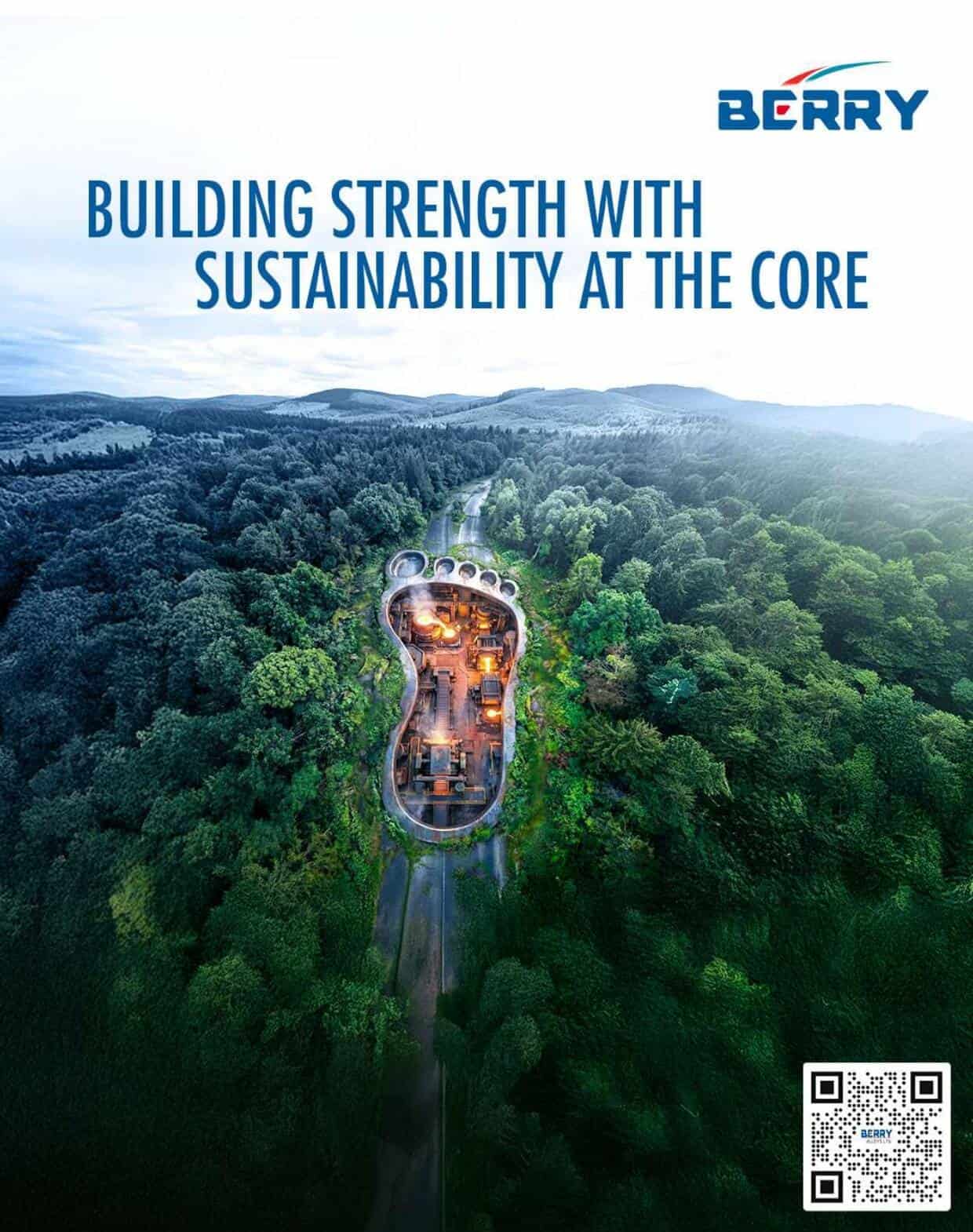
Competitive Advantage in a Low-Carbon Economy
Beyond environmental benefits, low-carbon ferro alloys deliver strong commercial and strategic value. Sectors such as automotive, infrastructure, renewable energy, and construction increasingly require low-carbon steel to meet their own sustainability goals. Steelmakers that integrate LCFA into their supply chains gain access to green markets, improve ESG ratings, and strengthen long-term competitiveness.
The Future of Green Steelmaking
As green steel moves from aspiration to industry standard, low-carbon ferro alloys will remain central to steel decarbonization strategies. They bridge the gap between sustainability targets and operational feasibility—making decarburization not just possible, but scalable and economically viable. The future of steelmaking is low-carbon, and ferro alloys are helping shape that future today.
Our Eco Initiatives
1. Green Power :
Integrating 83 MW of Solar Power for Sustainable Manufacturing
Berry Alloys has taken a significant step toward decarbonization by integrating 83 MW of solar power into its energy portfolio. This large-scale adoption of renewable energy substantially reduces dependence on conventional power sources, lowers carbon emissions, and strengthens energy security across operations. By combining solar power with energy-efficient manufacturing practices, Berry Alloys is advancing its commitment to low-carbon ferro alloy production and sustainable steelmaking. This transition supports ESG goals, aligns with global Net Zero ambitions, and reinforces Berry Alloys’ role as a responsible and future-ready industrial manufacturer.
Wind Power for a Low-Carbon Future
At Berry Alloys, sustainability is embedded into the way we power our operations. With 29.6 MW of installed wind energy capacity, we are actively transitioning toward renewable power sources that reduce carbon emissions and support responsible manufacturing. By harnessing clean wind energy, Berry Alloys lowers its reliance on conventional power, strengthens energy resilience, and advances its commitment to low-carbon ferro alloy production. This initiative reflects our long-term vision to align industrial growth with environmental stewardship and global Net Zero goals.
Waste Heat Recovery at Berry Alloys
Berry Alloys Limited, has initiated a significant backward integration and capacity expansion project at its manufacturing complex in Ghatsila, Jharkhand.
The project includes the installation of two 1,000 TPD Sponge Iron plants and a 90 MW Waste Heat Recovery Power Plant (WHRP) to generate captive electricity, ensuring substantial energy cost savings and enhanced operational sustainability for the company’s existing 24 MVA furnace operations.
2. Responsible Manufacturing : Biomass Initiative
At Berry Alloys, biomass is being explored as a sustainable alternative to conventional fossil-based inputs in ferro alloy production. By partially replacing carbon-intensive fuels with biomass-based materials, we aim to reduce net carbon emissions while maintaining metallurgical efficiency. The use of biomass supports circular economy principles, promotes renewable energy adoption, and contributes to low-carbon ferro alloy manufacturing. This initiative reflects our commitment to innovation-driven sustainability and our journey toward greener steel value chains.